
Zone 2 Training Benefits: The Beginner-Friendly Way to Build Endurance and Burn Fat – reading time 6 mins
If you’ve ever heard endurance athletes talk about “training slower to get faster,” they’re probably referring to zone 2 training. This low-intensity, steady-state style of cardio has quietly become one of the most talked-about fitness strategies—and for good reason.
Zone 2 training is approachable, sustainable, and backed by decades of endurance research. Best of all, it works just as well for beginners as it does for elite athletes.
4
What Is Zone 2 Training? (Simple Explanation)
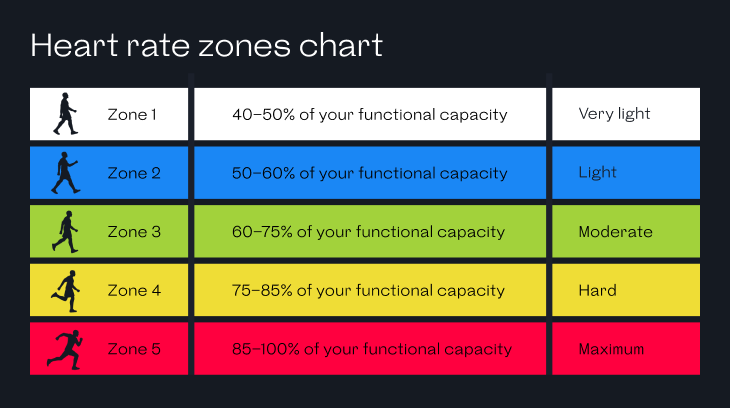
Zone 2 refers to a heart-rate intensity where you can still hold a conversation, but you’re definitely exercising. For most people, this is roughly 60–70% of your maximum heart rate.
Think:
- Brisk walking
- Easy jogging
- Comfortable cycling
- Steady rowing or elliptical
If you can speak in full sentences but wouldn’t want to sing, you’re likely in zone 2.
Top 5 Benefits of Zone 2 Training
1. Builds a Strong Aerobic Base 🫀
Zone 2 training strengthens your heart and improves how efficiently your body uses oxygen.
Real-life example:
After a few weeks of zone 2 walking or jogging, climbing stairs or carrying groceries feels noticeably easier—your heart doesn’t “spike” as fast anymore.
2. Improves Fat Burning Efficiency 🔥
At lower intensities, your body relies more on fat for fuel instead of quick-burning carbohydrates.
Real-life example:
Someone trying to lose weight finds that long, easy bike rides help them burn calories without feeling drained or overly hungry afterward.
3. Enhances Mitochondrial Health ⚡
Mitochondria are your cells’ energy factories. Zone 2 training increases both their number and efficiency.
Real-life example:
You finish workouts feeling energized instead of wiped out—making it easier to stay consistent week after week.
4. Supports Recovery and Longevity 🧘
Because it’s low stress, zone 2 allows frequent training without overtraining.
Real-life example:
Instead of needing days off after workouts, you’re able to exercise most days of the week while still feeling good.
5. Improves Performance Across All Sports 🏃♂️
A stronger aerobic base improves endurance, speed, and resilience—even for strength or HIIT-focused athletes.
Real-life example:
Your interval workouts feel easier because your heart rate recovers faster between hard efforts.
One Important Caution ⚠️
Zone 2 training only works if you keep the intensity truly easy. Many people accidentally drift into zone 3—too hard to be easy, too easy to be hard.
Tip:
Use a heart-rate monitor or the “talk test.” If talking becomes difficult, slow down.
Inspiring Success Story
- Article: How Easy Running Transformed My Endurance (Runner’s World)
https://www.runnersworld.com/training/a20860331/slow-running/
This story highlights how slowing down led to long-term performance gains and fewer injuries.
Beginner-Friendly Courses to Learn More
- Aerobic Base Training Fundamentals – Udemy
https://www.udemy.com/ - Endurance Training Essentials – Coursera
https://www.coursera.org/ - Heart Rate Training for Beginners – TrainingPeaks University
https://www.trainingpeaks.com/university/
Educational Videos (High Quality)
- YouTube – Peter Attia on Zone 2 Training (via YouTube)
https://www.youtube.com/ - Global Cycling Network: Zone 2 Explained
https://www.youtube.com/
Trusted Podcast Episode 🎧
- The Drive – Episode on Zone 2 and Longevity
https://peterattiamd.com/podcast/
Starter Products (Beginner-Friendly)
- Chest Strap Heart Rate Monitor (Polar/Garmin compatible)
https://example.com/heartratemonitor - Comfortable Walking or Running Shoes
https://example.com/shoes - Fitness Watch with HR Tracking
https://example.com/fitnesswatch
Online Communities for Support & Motivation
- Reddit – r/Running
https://www.reddit.com/r/running/ - Facebook Group – Endurance Training for Beginners
https://www.facebook.com/
Key Takeaways
- Zone 2 training is low-intensity, sustainable cardio
- It improves heart health, fat metabolism, and endurance
- It’s ideal for beginners and complements any fitness goal
- Consistency matters more than intensity
Start slow, stay patient, and let your aerobic system do the work.